

Services
Eyecare Services in Cumming
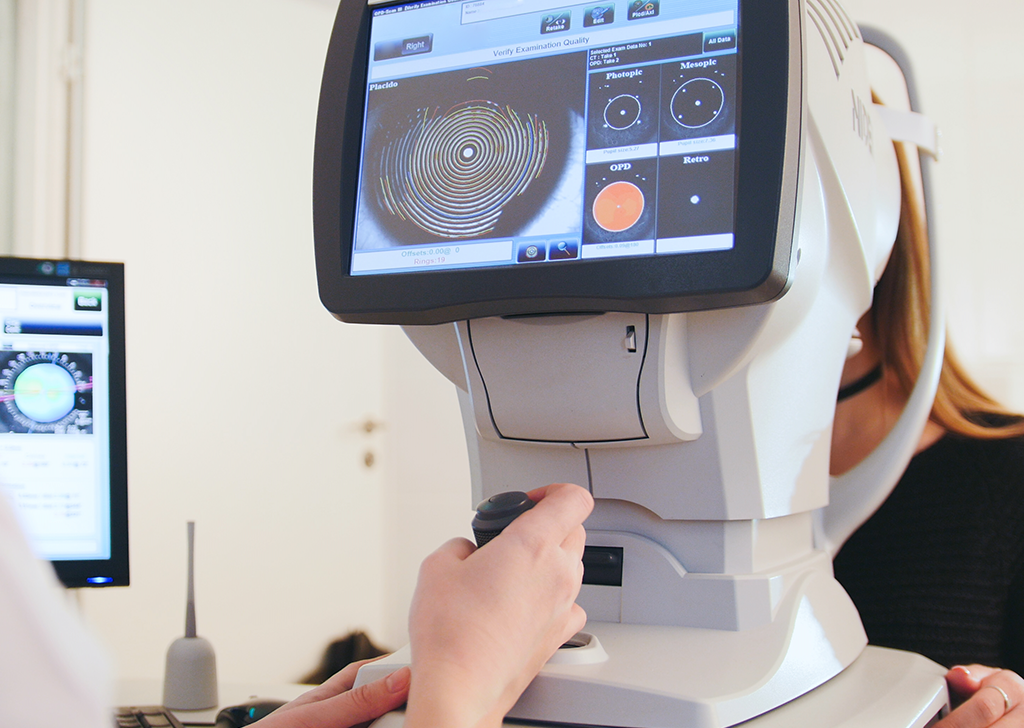
Comprehensive Eye Exams
Routine eye exams are a vital aspect of preventive eye care. Without routine eye exams, vision issues often go undetected since most eye disorders don't have clear symptoms.
Learn More
Emergency Eye Exams
Eye emergencies cover a range of incidents and conditions such as; trauma, cuts, scratches, foreign objects in the eye, burns, chemical exposure, photic retinopathy, and blunt injuries to the eye or eyelid.
Learn More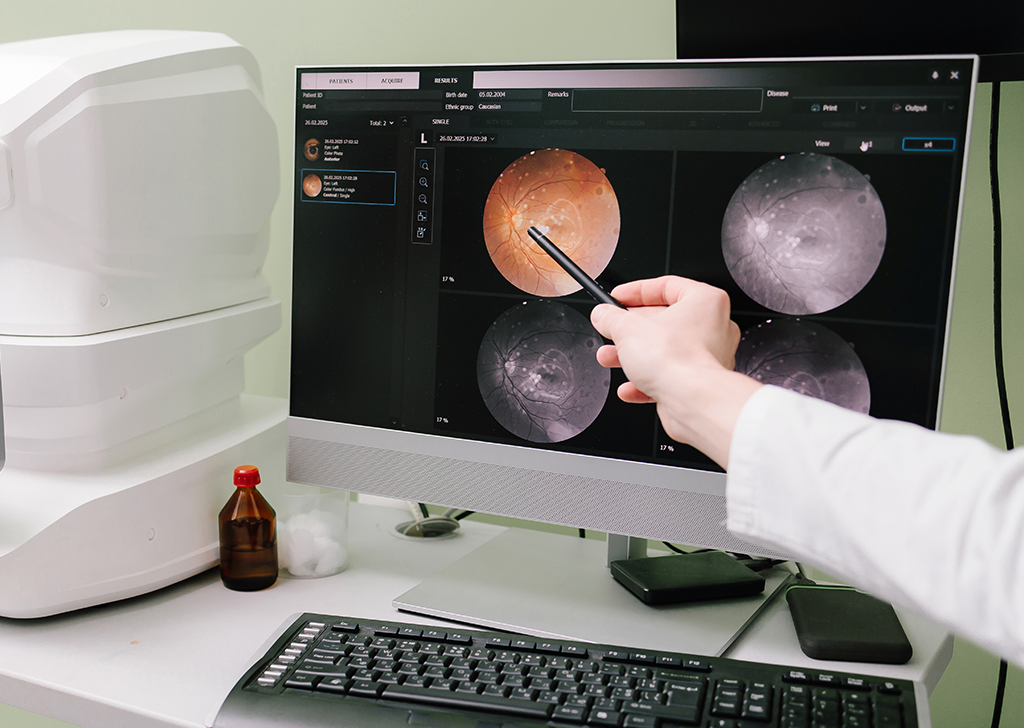
Eye Disease Treatment
Millions of patients are diagnosed with diseases and conditions of the eye every year. Some of which may not display symptoms until there is irreversible damage to the patient’s vision.
Learn More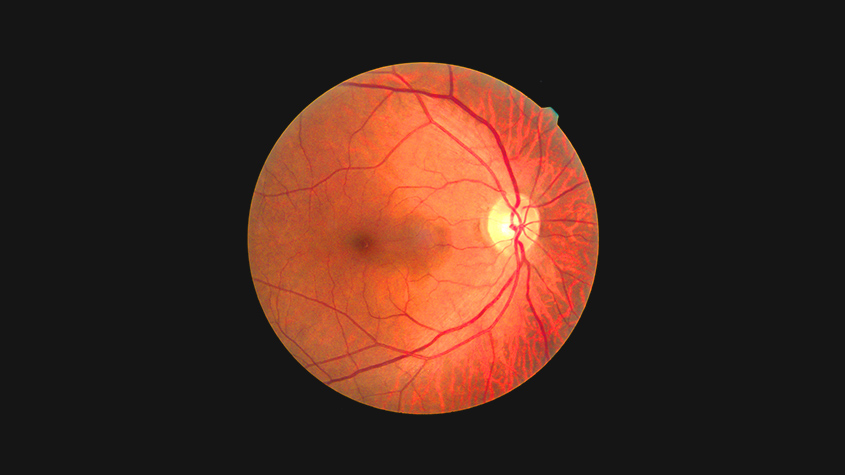
Diabetic Eye Disease
You have almost certainly heard of diabetes, which is one of the most common chronic health conditions in the United States with an estimated 100 million adults currently living with diabetes or pre-diabetes.
Learn More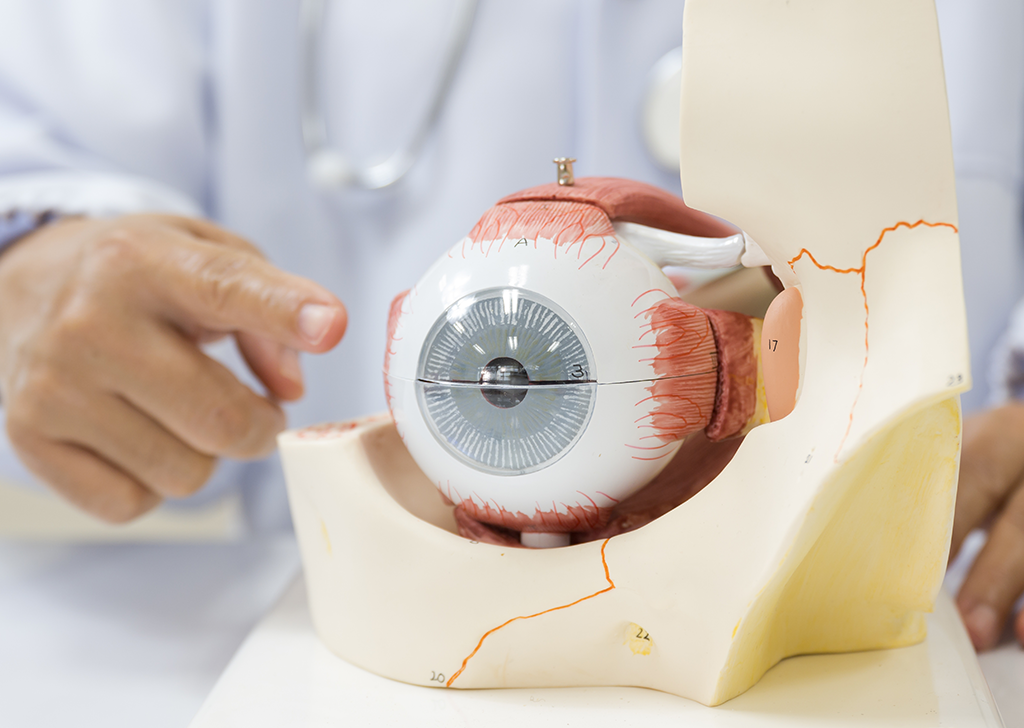
Glaucoma
If you’ve been diagnosed with glaucoma, you’re probably already familiar with the typical options in glaucoma treatment – eye drops, laser treatment or traditional surgery.
Learn More
Macular Degeneration
Macular degeneration, commonly referred to as age-related macular degeneration (AMD), is the single largest cause of sight loss in the developed world and affects more than 10 million Americans.
Learn More
Cataracts
If you’ve been diagnosed with cataracts, you may wonder if cataract surgery is right around the corner. Not to worry. There are many preventive steps you can take to slow the progression of cataracts and preserve your vision. That doesn’t mean you won’t eventually need surgery, but you can at least delay the need for quite a while.
Learn More
Dry Eye Treatment
Dry Eye can have a major impact on your quality of life. You may find your eyes get tired faster or you have difficulty reading.
Learn More
Myopia Control
Myopia is a very common condition around the world, but its prevalence does not mean it should be taken lightly.
Learn More
Contact Lenses
If you’ve never worn contact lenses before, it can seem a bit intimidating. After all, you’re inserting something into your eye! Let’s ease your mind about the first step – your contact lens exam.
Learn More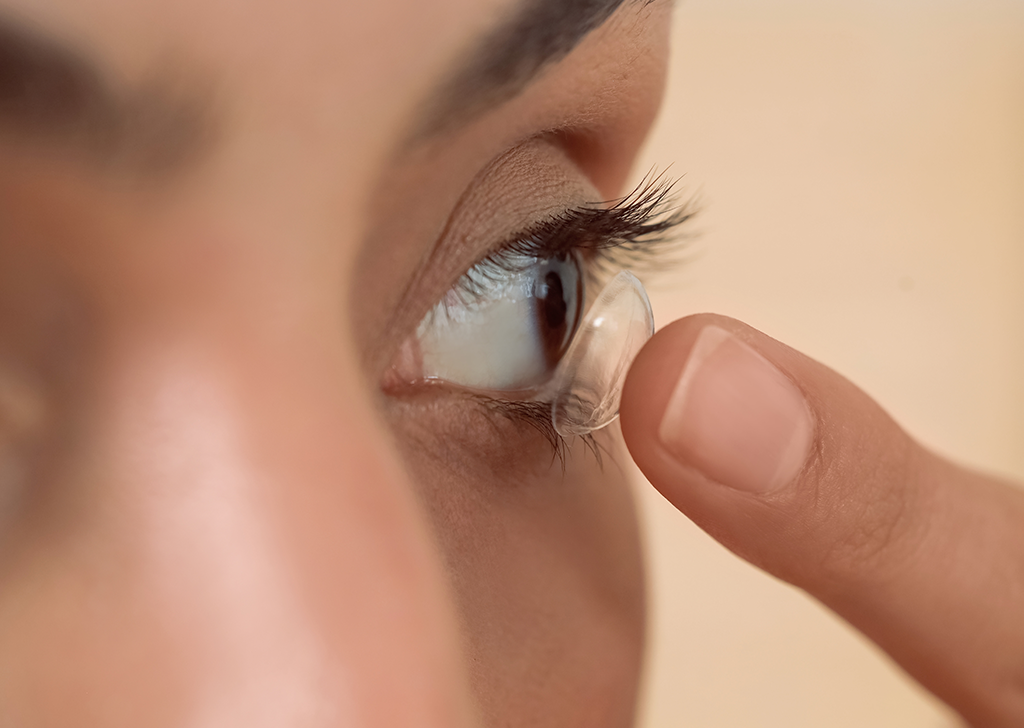
Specialty Contacts Lenses
Every patient is different and so are their eyes. This means that there need to be different types of contact lenses to suit each individual.
Learn More
Neurolens
If your eyes ache, your head hurts or your neck feels tight after a day at the computer, your eyes may be working harder than they should to stay lined up. Neurolens glasses are designed to ease that strain.
Learn More
Diabetic Eye Exams
Diabetes can damage the small blood vessels in the back of the eye, often with no symptoms until vision is affected. A yearly dilated eye exam is the best way to catch changes early, while there are more options to protect your sight.
Learn More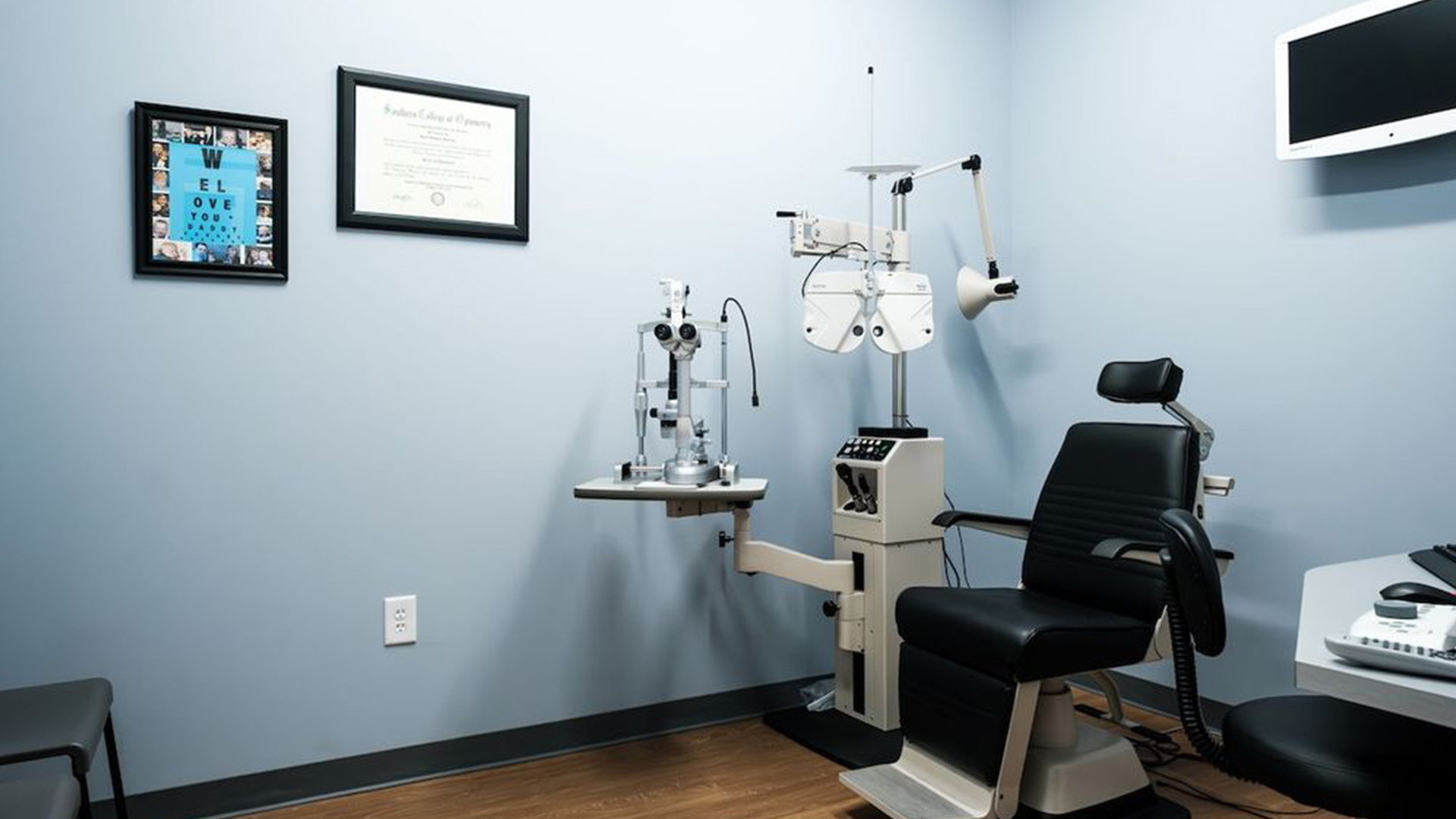
Urgent Eye Care
An eye doctor has the equipment to look closely at your eye that most urgent care clinics don't. For red eyes, pink eye, scratches, something stuck in your eye or sudden changes in vision, walk in or call Coal Mountain Eye Care and we'll fit you in as soon as we can.
Learn More© 2026 Coal Mountain Eye Care. All rights Reserved - Accessibility Statement - Privacy Policy - Sitemap
Managed and Designed by 